Where Stinging Insects Commonly Build Nests Around Buildings
Stinging insect control experts can identify and safely remove nests where stinging insects commonly build around buildings to keep your property safe.
If you're curious about where stinging insects commonly build nests around buildings, you're in the right place. Understanding these typical nesting locations can help property owners identify potential problem areas early, reducing the risk of unexpected insect activity and the possibility of stings. Many local contractors who specialize in stinging insect control are familiar with these common sites and can provide insights on how to keep your property safe and insect-free. Exploring this topic further can empower you to take proactive steps and connect with experienced service providers who can handle nest removal and prevention effectively.
Knowing where these insects tend to nest around buildings is essential for maintaining a safe and comfortable environment. Common nesting spots often include eaves, soffits, wall voids, and areas around window frames or doorways. Property owners in the area may find it beneficial to learn about these locations, especially if they’ve experienced issues before or want to prevent future problems. Local service providers who specialize in stinging insect control can assess these areas and implement targeted solutions to eliminate nests and reduce the likelihood of re-infestation, helping keep outdoor spaces safe for everyone.
- Attic and eaves - homeowners noticing stinging insects around their attic or eaves may need local contractors to remove nests and prevent future infestations.
- Underground areas - when stinging insects build nests beneath decks, porches, or soil, local service providers can safely handle nest removal and pest prevention.
- Wall voids and soffits - if insects are seen entering wall spaces or soffits, local pros can locate and remove hidden nests to reduce insect activity.
- Cluttered yards and garden structures - overgrown bushes, sheds, or garden boxes often attract stinging insects, and local contractors can identify and treat these nesting sites.
- Roof and chimney spaces - nests built inside roof eaves or chimneys require professional removal to eliminate stinging insect hazards around buildings.
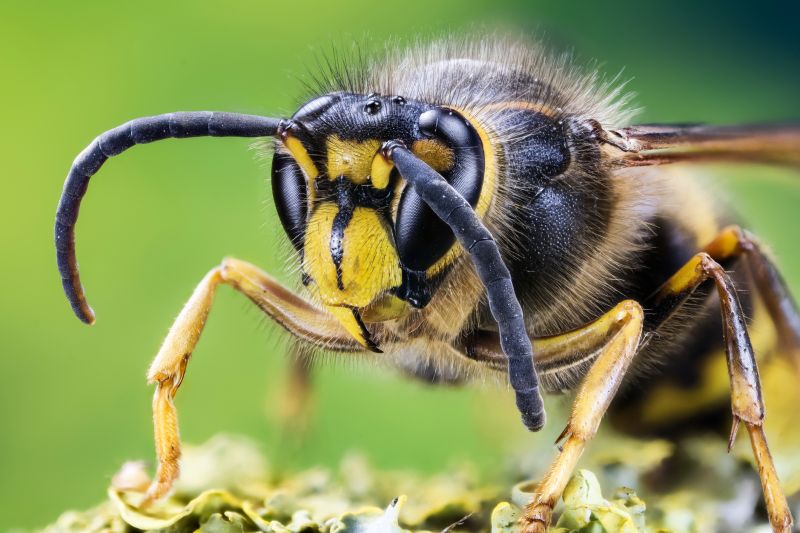
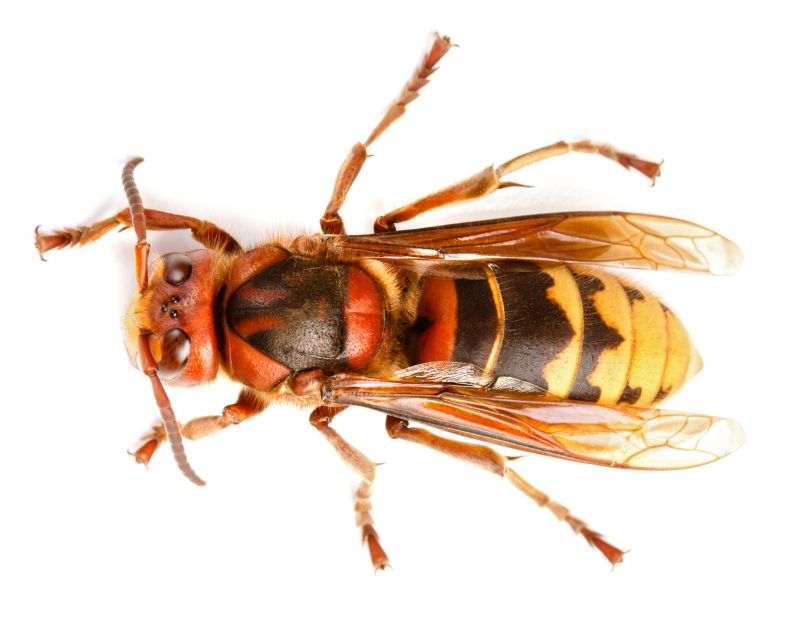
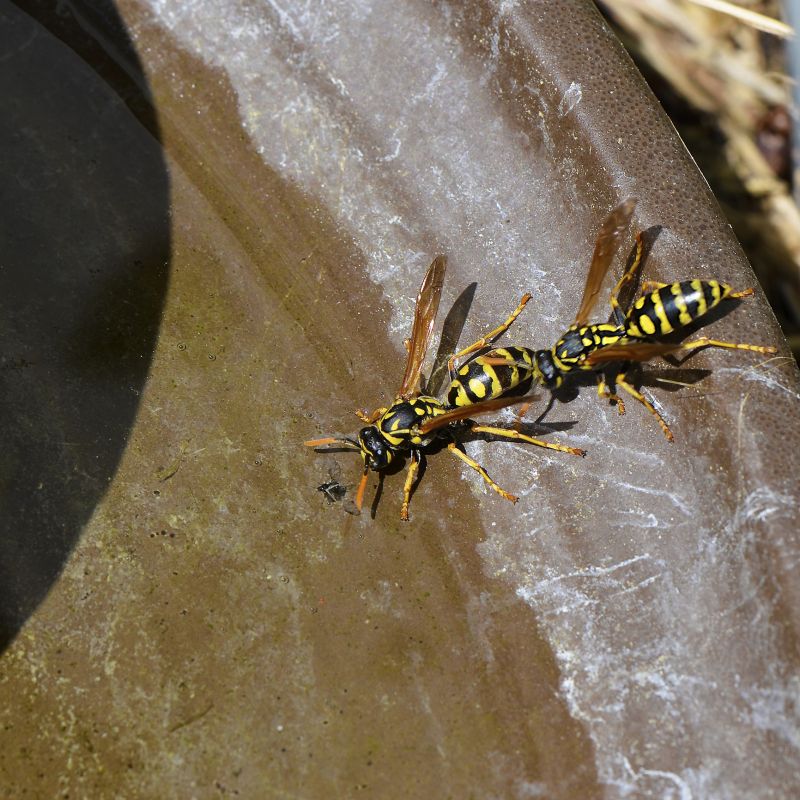
Understanding where stinging insects commonly build nests around buildings is essential for homeowners seeking effective pest control. When searching this topic, many people are looking for specific areas on or near their property where these insects tend to establish colonies. This information helps identify potential problem spots and plan appropriate removal or prevention strategies. Homeowners often relate this to concerns about safety, property damage, or simply wanting to prevent unwanted insect activity around their homes and workplaces. Knowing common nesting sites allows individuals to better assess risks and determine when professional assistance from local contractors might be necessary.
The types of problems associated with stinging insect nests often include aggressive behavior when disturbed, the risk of stings to residents and visitors, and the potential for nests to grow large and invasive. Many property owners are interested in plans to remove or manage nests before they become problematic. This is especially true for properties with children, pets, or outdoor spaces used frequently during warmer months. The presence of nests can also indicate ongoing insect activity that may require ongoing control measures. Local service providers are equipped to handle these issues by safely removing nests and implementing preventative treatments to reduce future risks.
Properties most commonly affected by stinging insect nests include residential homes, especially those with yards, decks, or gardens. Commercial buildings like restaurants, warehouses, and office complexes are also frequent sites, particularly when they have structural features that provide ideal nesting spots. Structures such as eaves, soffits, wall voids, and roof overhangs are common nesting locations because they offer sheltered, undisturbed environments. Understanding these property types helps homeowners and business owners recognize potential nesting sites and seek out local pros who specialize in treating these specific areas effectively.
Knowing where stinging insects build nests around buildings supports better pest management and prevention efforts. Homeowners can take proactive steps to inspect common nesting sites and work with local contractors to address issues before colonies grow large. These professionals have the experience to identify and treat nests in tricky locations, such as wall voids or roof overhangs, ensuring safety and peace of mind. By understanding the typical nesting areas around different property types, property owners can better plan for pest control services that target problem spots efficiently and reduce the chances of future infestations.
Birdhouse Installation - Installing birdhouses requires understanding of nesting preferences and placement, similar to identifying where stinging insects build nests around buildings, and local contractors can assist with proper setup.
Gutter Cleaning and Maintenance - Gutter work involves inspecting and maintaining hidden areas around buildings, which is useful for locating and preventing insect nests in hard-to-see spots.
Exterior Wall Repairs - Repairing or sealing exterior walls helps prevent nesting sites, paralleling the work of controlling stinging insect nests around building exteriors.
Attic Insulation and Ventilation - Proper attic insulation and ventilation require planning around building structures, similar to understanding nesting locations of stinging insects around buildings.
Tree Trimming and Pruning - Trimming trees and shrubs near structures reduces nesting opportunities for insects, aligning with services that address where stinging insects build nests around buildings.
Pest Proofing and Sealing - Sealing entry points around buildings is essential for pest prevention, including stinging insects, and involves skills applicable to similar nesting control projects.
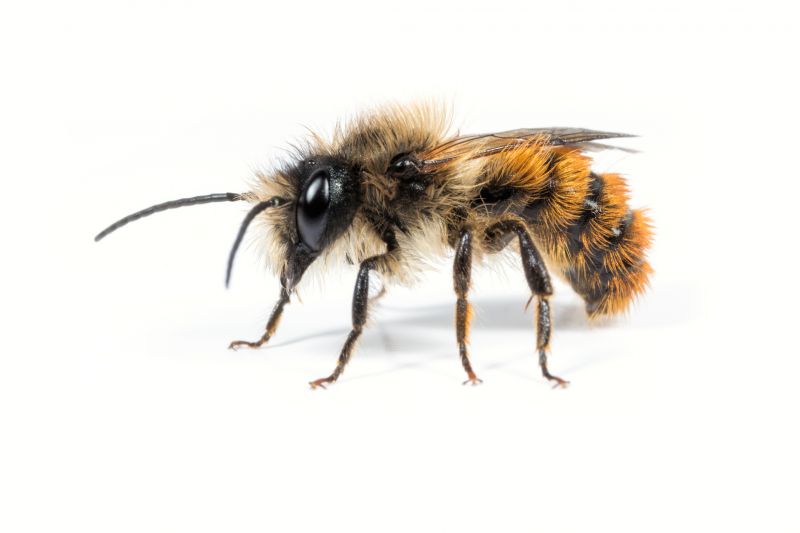
When evaluating service providers for stinging insect control around buildings, it is important to consider their experience with similar projects. Contractors who have handled nests in locations like eaves, soffits, wall voids, or rooflines are likely to be more familiar with the common nesting habits of stinging insects. An experienced local contractor can better identify potential nesting sites and recommend effective treatment strategies, reducing the risk of recurring issues. Asking about their past work in environments similar to the property can provide insight into their familiarity with the challenges specific to these common nesting areas.
Clear, written expectations are essential when comparing local pros for stinging insect control services. A reputable contractor should be able to provide detailed information about the scope of work, including the areas that will be treated and the methods used to eliminate nests. This clarity helps ensure that homeowners understand what to expect and can assess whether the proposed approach aligns with their needs. Having a written outline also serves as a reference point throughout the process, minimizing misunderstandings and ensuring transparency.
Reputable references and effective communication are key indicators of a reliable service provider. Pros with a history of satisfied customers or positive references demonstrate a track record of successful nest removal and pest management. Good communication involves promptly addressing questions, explaining treatment options clearly, and providing updates on work progress. These qualities help homeowners feel confident in the contractor’s professionalism and their ability to handle nests in common locations around buildings where stinging insects tend to build nests, ultimately leading to a smoother and more satisfactory service experience.
Property owners often search for where stinging insects commonly build nests around buildings when they are planning practical projects around their homes and businesses. Local pros provide Stinging Insect Control services for everyday jobs and straightforward project options.
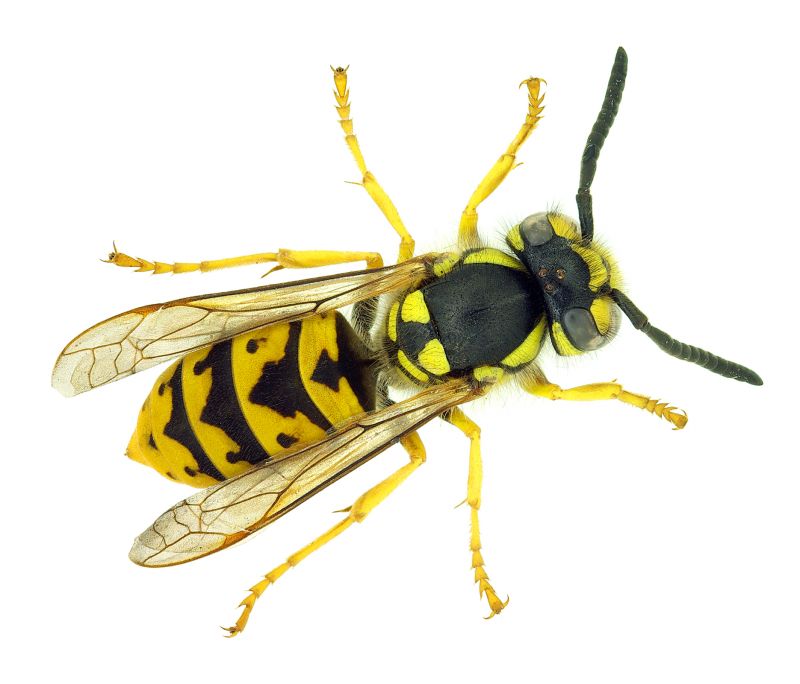
Many property owners notice stinging insects building nests in areas around their buildings, especially in common spots like eaves, soffits, and wall voids. These insects often choose sheltered locations that provide protection from the elements and easy access to nearby food sources. Understanding where these nests tend to form can help property owners identify potential problem areas early, reducing the risk of infestations and stings. Local contractors experienced in stinging insect control are familiar with these common nesting sites and can assess the property to recommend effective removal strategies.
In addition to eaves and soffits, stinging insects may also build nests behind shutters, inside wall cavities, or in overgrown vegetation close to buildings. These hidden locations can make nests difficult to detect until they grow large enough to cause concern. Property owners seeking assistance can connect with local service providers who specialize in stinging insect removal. These professionals have the knowledge to safely and efficiently eliminate nests and prevent future ones from forming in these typical nesting spots around buildings.
Where do stinging insects typically build nests around buildings? Stinging insects often build nests in sheltered areas such as eaves, soffits, wall voids, and behind shutters around buildings. Local contractors experienced in stinging insect control can identify these common nesting spots and safely remove them.
Are there specific locations around buildings where nests are more likely to form? Yes, nests are commonly found in places with access to sunlight and protection from the elements, including attics, sheds, and under roof overhangs. Service providers can inspect these areas to locate and eliminate nests effectively.
How can I tell if stinging insects have built a nest near my building? Signs include visible structures such as papery or mud-like combs, increased insect activity, and buzzing sounds near eaves or wall voids. Local pros can assess the area and determine if a nest is present.
What building features attract stinging insects to build nests nearby? Features like gaps, cracks, and voids in siding, vents, and open eaves can attract stinging insects. Professional pest control services can help seal entry points and remove existing nests to prevent future infestations.
How do local contractors handle nests built in hard-to-reach areas? They use specialized equipment and techniques to access and safely remove nests from difficult locations such as high soffits or wall cavities. Expert service providers ensure thorough removal and prevention of future nesting sites.
Identify common nesting sites - Recognize areas like eaves, soffits, and vents around buildings where stinging insects often build nests, helping property owners target problem spots with the help of local contractors.
Inspect building exterior regularly - Conduct routine checks for signs of nests in typical locations, allowing property owners to schedule prompt removal or treatment services from local pros.
Seal potential entry points - Close gaps, cracks, and openings near nesting sites to prevent stinging insects from establishing new nests around buildings, with guidance from local insect control specialists.
Maintain surrounding vegetation - Trim trees, shrubs, and overgrown plants near structures to reduce ideal nesting environments, supported by advice from local contractors experienced in stinging insect control.
If you are thinking about where stinging insects commonly build nests around buildings for a property, this guide is meant to help you understand this topic, the typical project types, and how different options might fit your plans.
When you are ready, you can use the quote form on this page to share a few details about your project. From there, local pros can review the basics and follow up with options that match what you have in mind.