Optimal Timing for Wasp Nest Removal
Wasp nest removals are most effective during specific times of the year when wasps are less active or not present in large numbers. Timing can influence both safety and success rate, making it essential to understand seasonal behaviors.
In spring, queen wasps establish new nests, and colonies are small. This is an ideal time to remove nests before they grow larger.
During summer, nests expand rapidly, and wasps become more aggressive. Removal during this period can be riskier but sometimes necessary.
In autumn, wasp activity diminishes as colonies prepare to die off. This is a suitable time for removal, with less risk of stings.
Most wasps are inactive or have died off in winter, making it the least ideal time for removal, as nests are often abandoned or inactive.
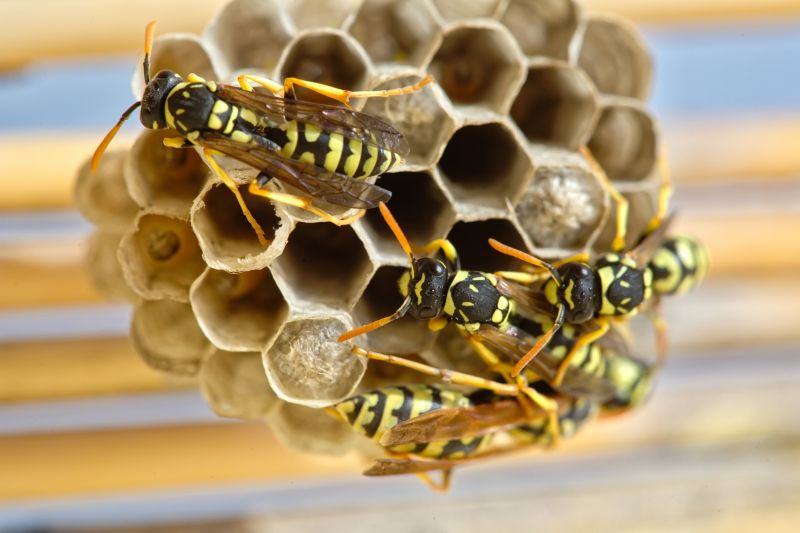
A newly established wasp nest during spring, small and less aggressive.
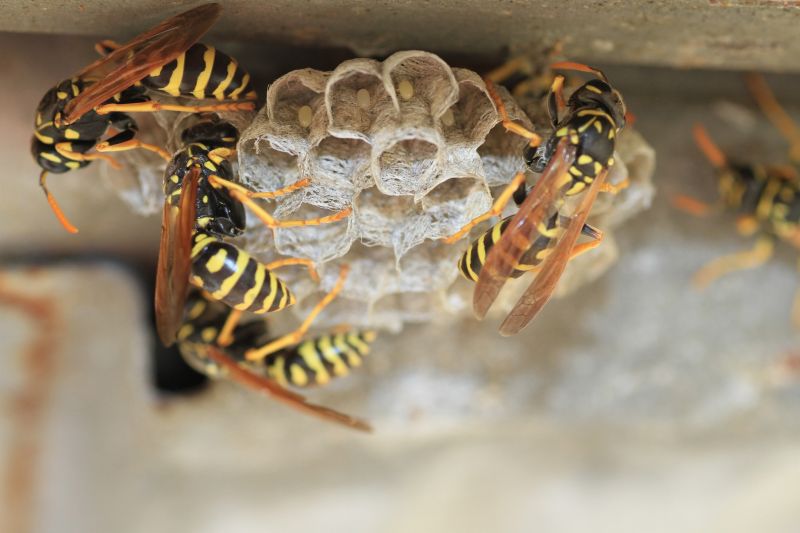
A large wasp nest during peak summer, with active wasps guarding it.
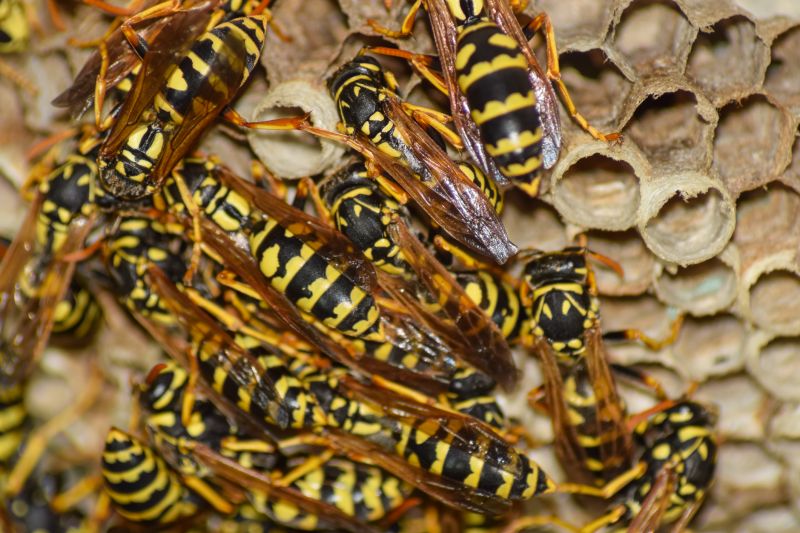
An autumn wasp nest with declining activity, suitable for removal.
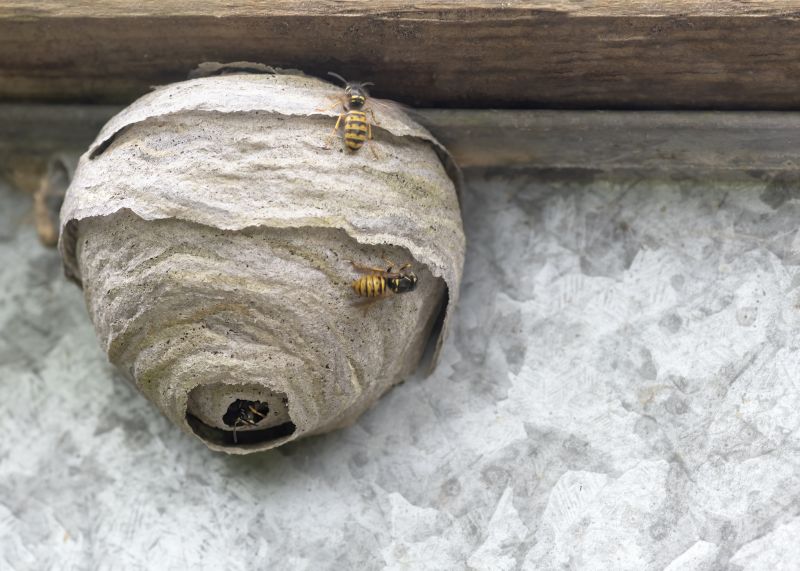
Ways to make Wasp Nest Removals work in tight or awkward layouts.
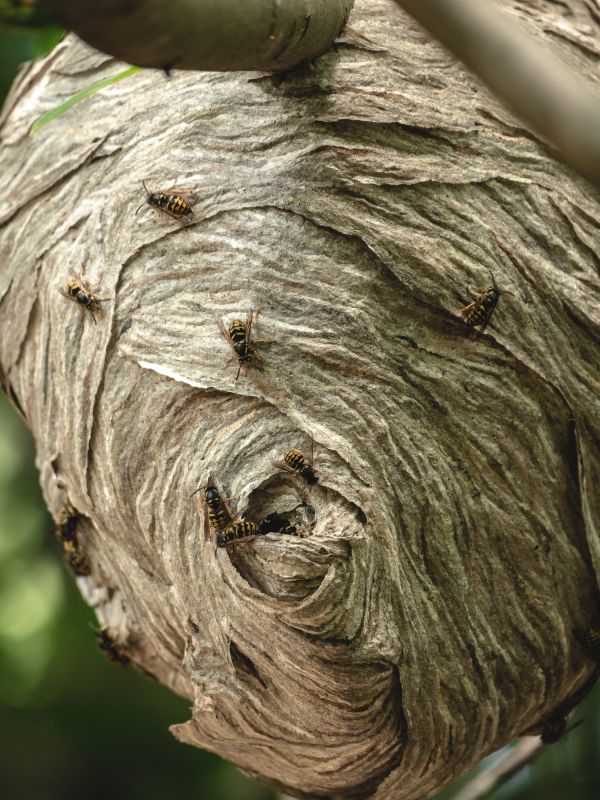
Popular materials for Wasp Nest Removals and why they hold up over time.
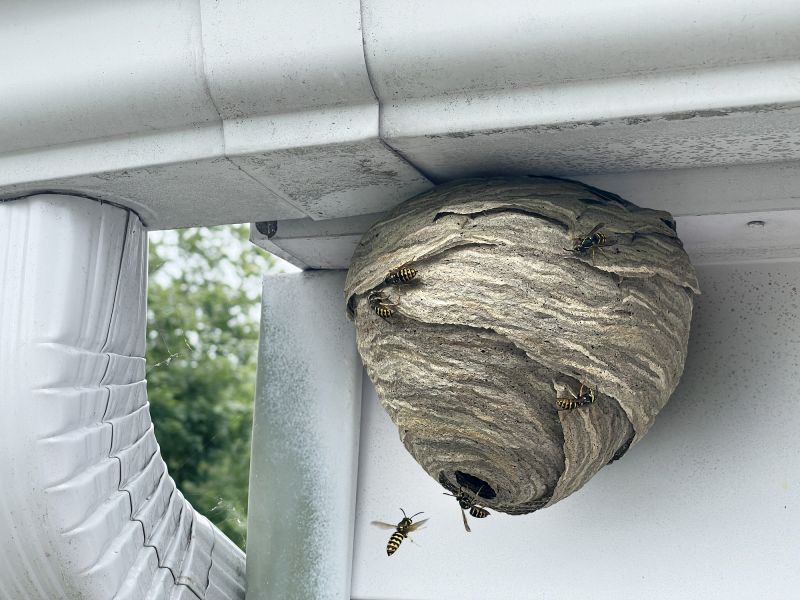
Simple add-ons that improve Wasp Nest Removals without blowing the budget.
| Season | Wasp Activity Level |
|---|---|
| Spring | Low, queens establish nests |
| Summer | High, colonies expand and are most aggressive |
| Autumn | Declining, colonies diminish |
| Winter | Inactive, nests often abandoned |
Wasp nest removals require careful timing to ensure safety and effectiveness. Removing nests during early spring can prevent large colonies from forming, reducing the risk of aggressive encounters later. Summer removals are more hazardous due to increased activity, but sometimes unavoidable. Autumn is generally the safest period for removal, as wasps are less active and colonies are dying off. Winter removals are rarely performed because nests are typically inactive or abandoned.
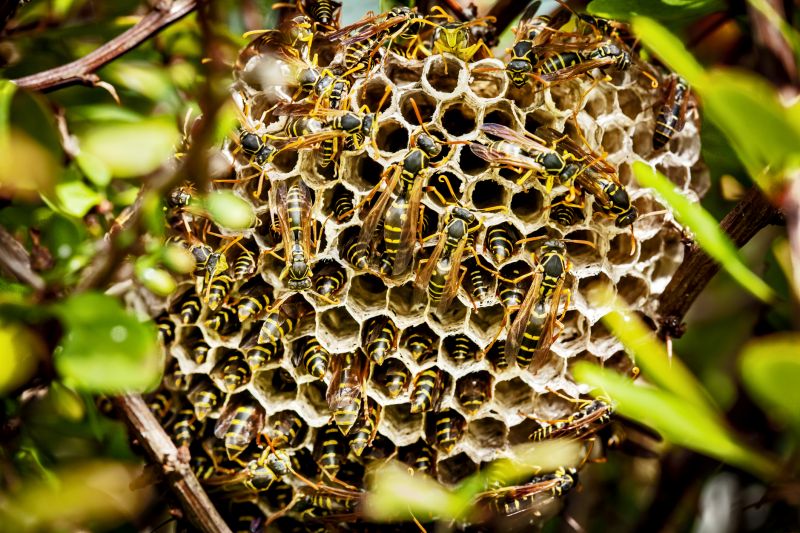
A small wasp nest established in early spring.
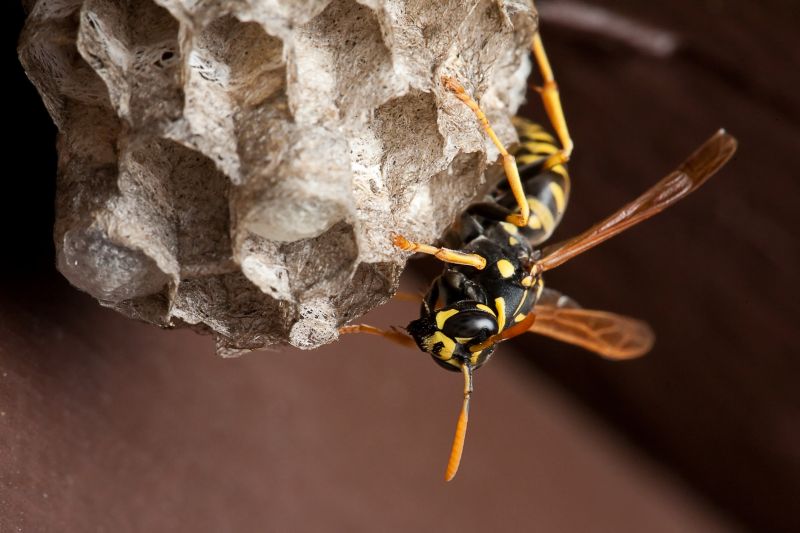
A large, active wasp nest during peak season.
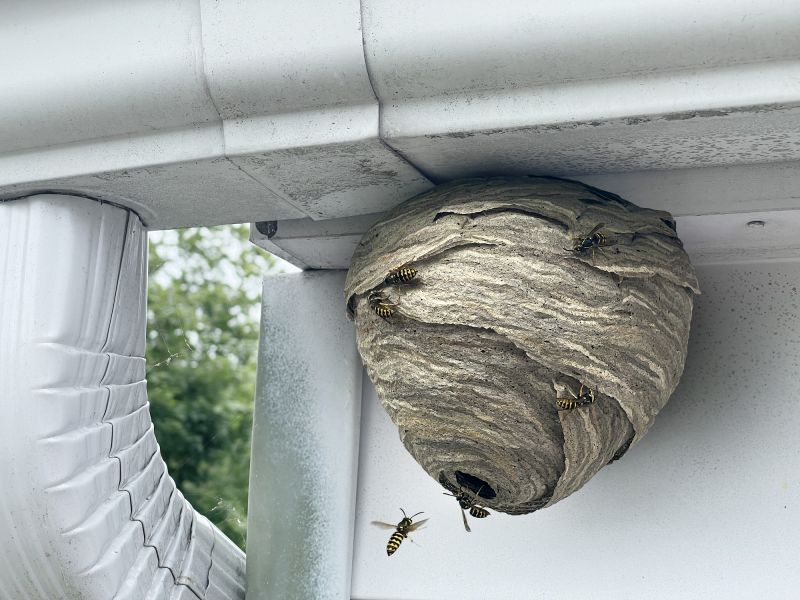
A declining wasp nest with fewer wasps present.

An abandoned wasp nest during winter dormancy.
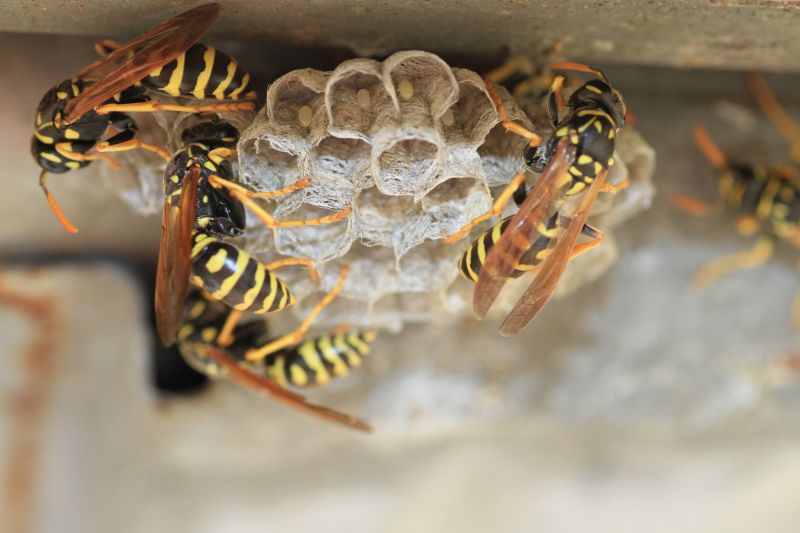
High-end options that actually feel worth it for Wasp Nest Removals.
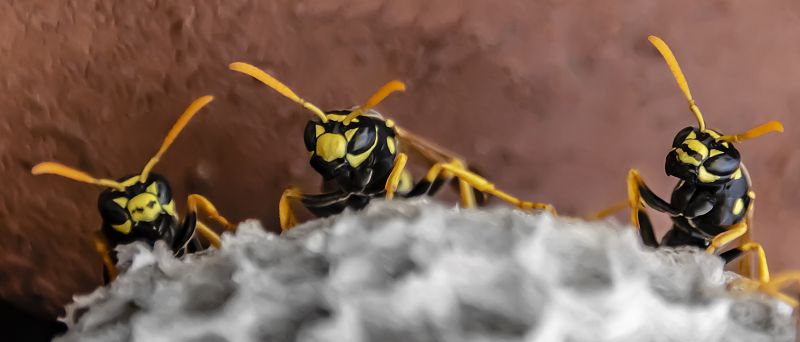
Finishes and colors that play nicely with Wasp Nest Removals.
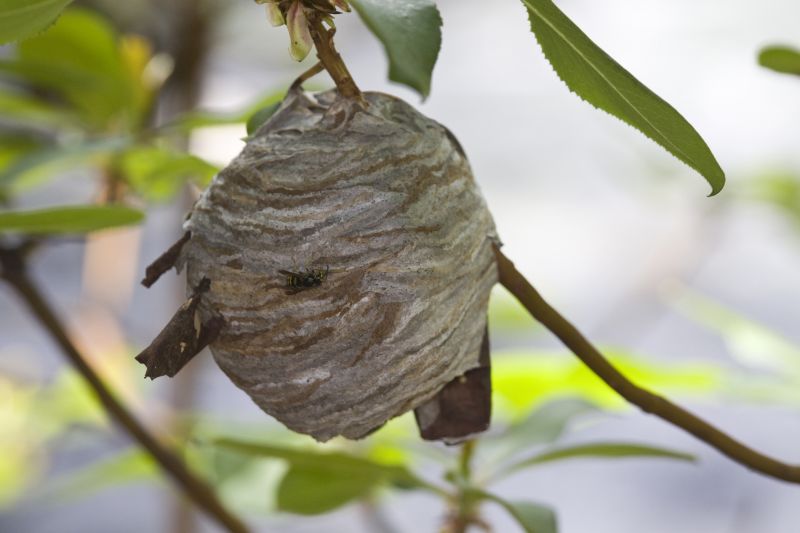
Little measurements that prevent headaches on Wasp Nest Removals day.
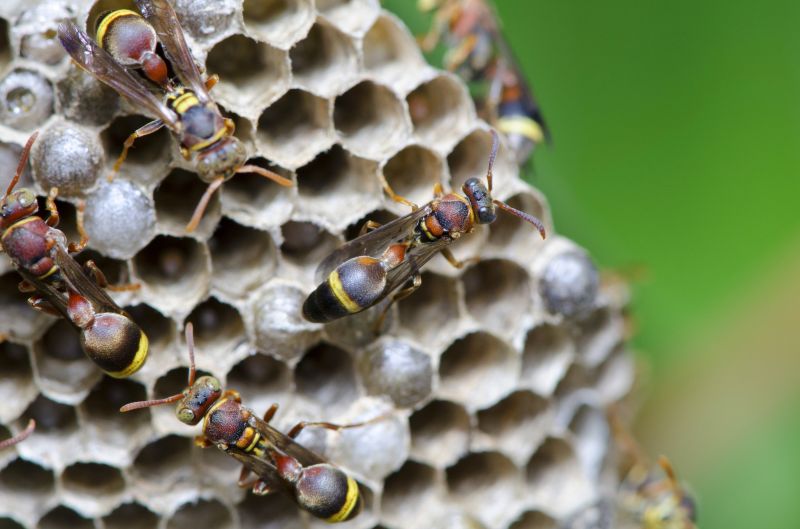
A 60-second routine that keeps Wasp Nest Removals looking new.
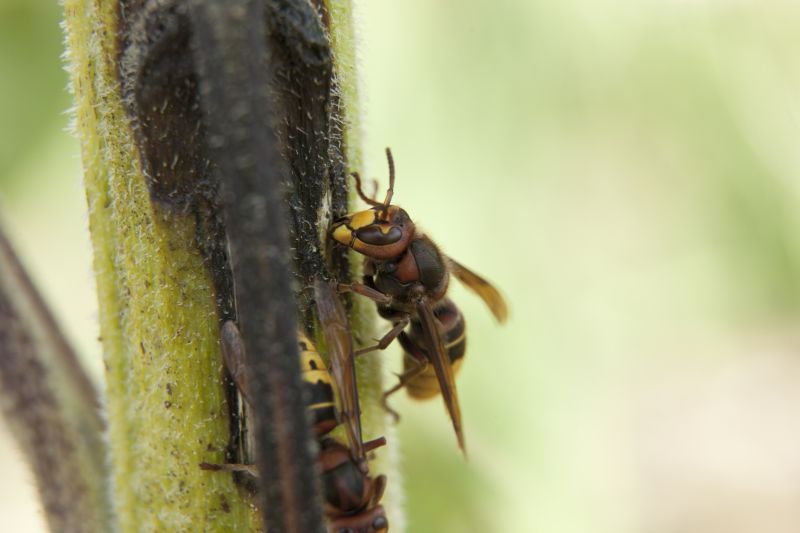
A frequent mistake in Wasp Nest Removals and how to dodge it.
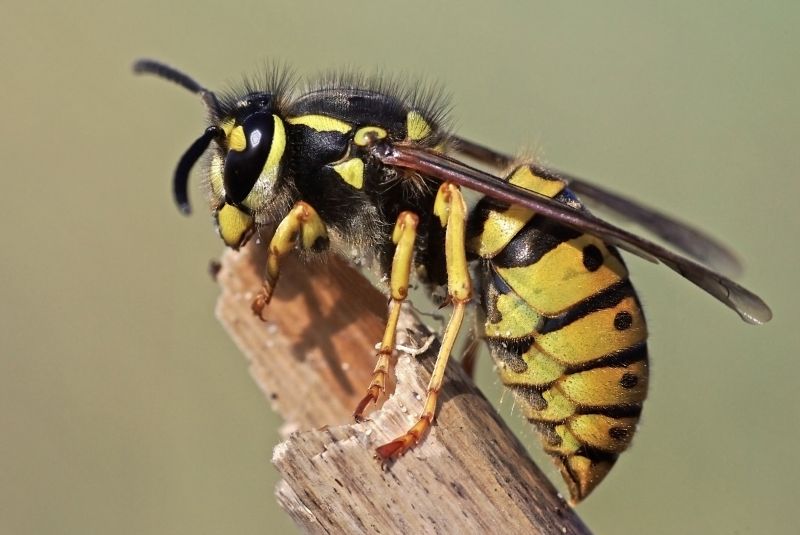
Small tweaks to make Wasp Nest Removals safer and easier to use.
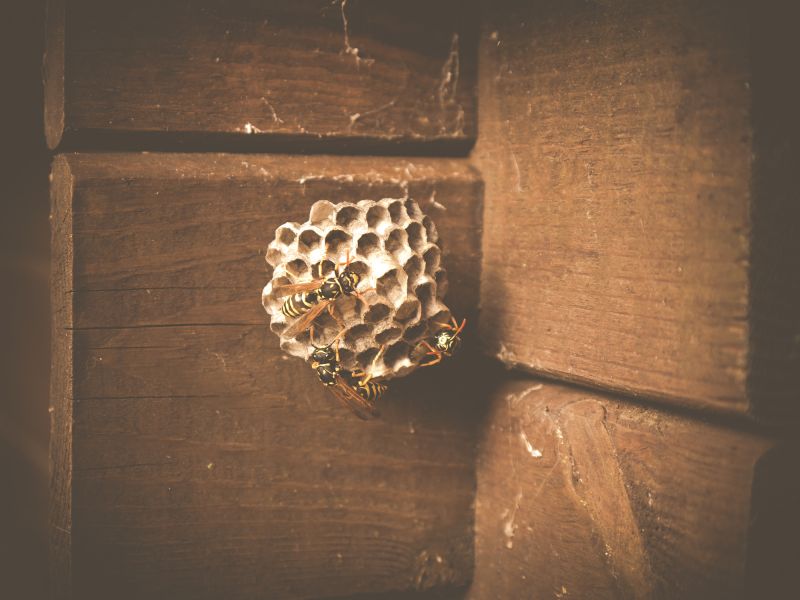
Lower-waste or water-saving choices for Wasp Nest Removals.
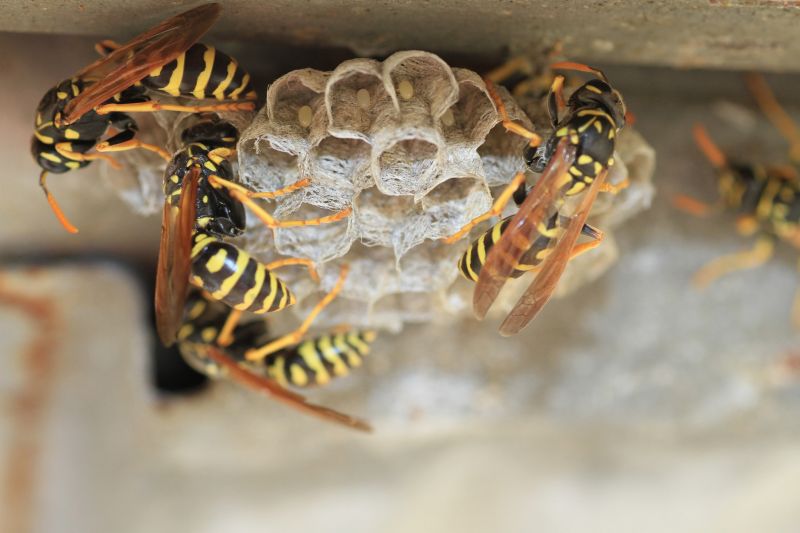
The short, realistic tool list for quality Wasp Nest Removals.
Understanding the seasonal behavior of wasps helps determine the safest and most effective time for nest removal. Early intervention in spring can prevent larger colonies, while autumn offers a less risky window for removal activities. Proper timing reduces the likelihood of stings and ensures the process is completed efficiently.
Individuals interested in professional wasp nest removal services are encouraged to contact for more information. Proper timing and expert assistance can ensure safety and success in eliminating wasp nests effectively.