
Ultimate Wasp Nest Removal Tools For Professional-Grade Results
Find out which top-rated tools provide powerful performance for removing wasp nests with confidence and ease.
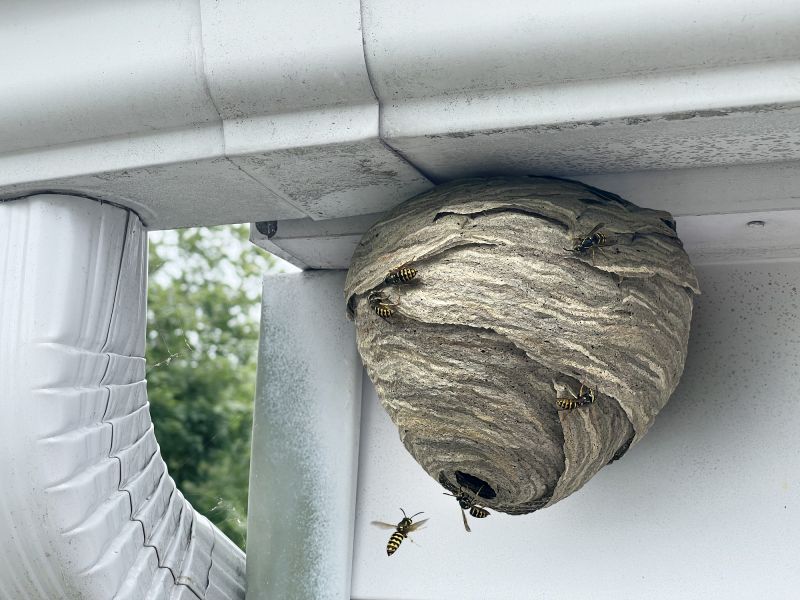 Dealing with wasp nests can be a challenging task that requires careful selection of the right products to ensure safety and effectiveness. Wasp nests are typically found in various outdoor locations such as eaves, sheds, trees, or ground burrows. Using appropriate removal products can help manage the situation while minimizing risk to people and pets. It is important to choose tools and solutions that are designed specifically for wasp control, providing targeted action without unnecessary harm or disruption.
Top Overall Option
High-Pressure Wasp and Hornet Sprayer
A versatile high-pressure sprayer designed for targeted wasp nest removal, offering adjustable nozzles for precision application and extended reach for safety. Its durable construction ensures reliable performance in outdoor environments, making it suitable for various nest sizes and locations.
Types of Products For Wasp Nest Removals
Aerosol Wasp and Hornet Spray
Convenient aerosol cans formulated for quick application directly onto nests, effective for small to medium-sized infestations.
Long-Range Spray Guns
Sprayers with extended reach to allow safe application from a distance, ideal for high or hard-to-access nests.
Wasp Nest Removal Kits
Complete kits that include sprays, protective gear, and tools for comprehensive nest removal and safety.
Vacuum-Based Nest Removers
Specialized vacuums designed to safely extract nests without direct contact, suitable for ground nests.
Nest Removal Bags
Heavy-duty bags used to contain and dispose of nests after removal, reducing the risk of stings during cleanup.
Protective Clothing and Gear
Full-body suits, gloves, and masks to ensure safety during nest removal activities.
Foam Wasp and Hornet Sprays
Foam formulations that expand upon application, helping to trap and suffocate the nest quickly.
Ground Nest Removal Tools
Specialized tools designed for safely removing nests located in ground burrows or low-lying areas.
Electric Wasp Zappers
Devices that attract and electrocute wasps, useful for controlling flying insects around outdoor spaces.
Chemical Dusts for Nests
Powdered insecticides that can be applied into nests for long-lasting control, suitable for ground or cavity nests.
Natural Repellents
Non-chemical deterrents that can help prevent wasps from building nests in certain areas.
Nest Extinguishing Sprays
Specialized sprays designed to quickly suffocate nests upon contact, reducing the risk of wasp aggression.
Manual Removal Poles
Extendable poles equipped with hooks or tools for safely knocking down or removing nests.
Wasp Trap Stations
Trap stations that attract and capture wasps, helping to reduce local populations over time.
Spray Extension Hoses
Flexible hoses that connect to spray bottles or sprayers, allowing reach into difficult areas.
Popular Choices
Widely used for quick and targeted application, suitable for small infestations and easy to store.
Popular for safety and convenience, allowing users to treat nests from a safe distance.
All-in-one solutions that provide tools, sprays, and protective gear for comprehensive removal.
Effective for managing nests in soil or low-lying areas, often used by professionals and homeowners alike.
Safe and efficient for removing nests without direct contact, especially in accessible areas.
Passive traps that attract and capture wasps, helping to control populations around outdoor spaces.
Complete protective clothing packages designed to enhance safety during removal activities.
Popular for their expanding foam that helps trap and suffocate nests effectively.
Effective for ground and cavity nests, allowing for long-lasting control when applied properly.
Useful for controlling wasps around outdoor living areas, attracting and electrocuting flying insects.
Fast-acting sprays designed for immediate nest suppression upon application.
Popular for reaching nests in high or confined spaces, providing a safer removal process.
When selecting products for wasp nest removal, consider the ease of application, safety features, and the ability to reach nests at different heights or in difficult-to-access areas. Some products are formulated for direct spray application, allowing for quick and precise targeting of nests. Others may include long-range options that enable users to stay at a safe distance during application. Proper protective gear such as gloves, masks, and coveralls should always be used regardless of the product chosen.
In addition to sprays, there are various accessories and tools designed to aid in the removal process. These include extension poles, nest removal bags, and specialized vacuums that can help contain and dispose of nests safely. Each situation may require a different approach, so having a range of products available can be advantageous. Always follow the manufacturer's instructions and safety guidelines to ensure effective and safe removal.
Ultimately, the goal is to eliminate the nest with minimal disturbance and risk. Whether dealing with a small ground nest or a large overhead structure, selecting the right product type and understanding its proper use can make the process more manageable. Regular maintenance and early intervention can also prevent future infestations, making the right tools a valuable part of outdoor pest management.
Key Buying Considerations
- Type of nest location (ground, wall, tree, eaves) and choosing a product suited for that environment.
- Size of the nest to determine the appropriate product strength and application method.
- Safety features such as long-range reach or protective gear to minimize risk during removal.
- Ease of application, including spray nozzle design and whether extension tools are needed.
- Effectiveness of the product for the specific wasp species or nest type.
- Duration of residual activity to ensure long-term control if needed.
- Compatibility with other pest control tools or methods you may already own.
- Storage and shelf life of the product, especially for infrequent use.
- Environmental conditions, such as wind or rain, that could affect application effectiveness.
- User reviews and ratings to gauge real-world performance and reliability.
- Availability of safety instructions and ease of use for non-professional users.
- Cost and value for money considering the size and potency of the product.
- Legal restrictions or regulations regarding pesticide use in your area.
- Availability of additional accessories like removal bags or extension hoses for convenience.
- Consideration of whether a professional pest control service might be needed for large infestations.